Surgery for head and neck cancer is a common treatment approach aimed at removing cancerous tumours and affected tissues in the head and neck region. A key goal is to remove the cancer completely. However, surgery is often done together with other cancer treatments such as chemotherapy and / or radiation therapy, to eliminate remaining cancer cells and reduce the risk of recurrence. This is called adjuvant therapy. Reconstructive surgery may alter how you look, or speak, or be able to eat or drink. It’s crucial to discuss the specifics of the surgery, potential risks, and expected outcomes with the surgical team to make informed decisions about the treatment plan. The multidisciplinary approach involving surgeons, oncologists, nursing and other allied health care specialists ensures comprehensive care for individuals with head and neck cancer. These teams can vary from hospital to hospital, region to region, so it would be worth finding out who is in your team, and what role they may play in determining your care and treatment for the coming months.
Here’s a general overview of what to expect:
General Information
A quick overview of what to expect
>>Radiotherapy/Chemotherapy
A quick overview of what to expect
>>Immunotherapy
A quick overview of what to expect
>>Preoperative Evaluation
Before surgery, a thorough evaluation will be conducted to assess the extent of the cancer, your overall health, and the feasibility of different types of surgical procedures that may be carried out. As well as the primary tumour and any affected surrounding tissues, lymph nodes in the neck may also be examined to consider their removal as well.
Types Of Surgery
The specifics of the surgery depend on the location, size, and stage of the cancer. If the cancer is caught early on and the tumour is still very small, it may be possible to remove the tumour with laser surgery (or a simple operation) with you as a day patient. More often than not, surgery will be more complex, and you should expect to have a stay in the hospital. Surgery may mean that you will have difficulty breathing afterwards, and if so, you will be told beforehand if you need to have a tracheostomy. Surgery may mean that you will have difficulty eating and drinking afterwards, and if so, you will be told beforehand if you need to have a gastrostomy (feeding) tube inserted through your nose into your stomach. While these extra tubes sound very scary, they are only temporary, and are only there to help your body along during some of the worst parts of the treatment. Your medical team will all be experts and you should feel safe in their hands.
Tumour Resection • The primary goal is to remove the cancerous tumour along with a margin of healthy tissue to minimise the risk of recurrence.◦ If the tumour is at the back of the mouth or the throat, or if the tumour is large, then open surgery may be required, under general anaesthetic.
◦ If the cancer is in the mouth, throat or tonsils, or on the tongue, and is small, then tumour removal may be through the open mouth. This is called transoral surgery, and may use lasers or robotics. Neck Dissection • If the cancer has spread to the lymph nodes, a neck dissection may be performed to remove affected lymph nodes from either or both sides of the neck, and surrounding tissues.
◦ If your primary tumour is large, then lymph nodes may be removed as a precaution to prevent any cancer from coming back, as cancer cells may be present in the lymph nodes but at undetectable levels.
◦ Neck dissection may be undertaken before or after cancer treatments such as chemoradiation. Voice box surgery – Laryngectomy
Laryngectomy means the removal of the larynx or voice box. A laryngectomee is a person who has had this essential and life-saving operation – a challenge which thousands of people have met successfully. After the operation the patient breathes through an opening (stoma) in the neck.
What happens after Laryngectomy?
Nowadays, in most cases, a laryngectomee can start learning to speak again within a few days of recovering from the operation. Here the knowledge, care and training of the Speech and Language Therapists (SLTs) play a vital part in helping Laryngectomees gain a ‘new’ voice, using various methods that are deemed best for the individual, including a ‘voice-valve’, fitted between the oesophagus and the trachea.
In most cases, a Laryngectomee can be fit enough to leave hospital within 2 weeks of surgery, and then attend regular hospital outpatient clinics for check-ups, dietary monitoring, medication and help with developing a stronger voice. As time goes by, the clinic visits will normally be changed to longer periods.
Many Laryngectomees experience loss of smell and/or loss of taste, but one or the other can return over longer periods. Other than that, by establishing a healthy diet, and regularly practising developing a near-normal voice, there is no reason why a Laryngectomee cannot enjoy a good, near-normal quality of life.
For more information, please visit the The National Association of Laryngectomee Clubs website.
Tongue surgery – glossectomy- A “partial” glossectomy is the removal of less than half of the tongue
- A hemiglossectomy – approximately half of the tongue is removed.
- A total/subtotal glossectomy – nearly all the tongue is removed.
Everybody will be different, but clearly, the size and location of the tumour will dictate whether or the tongue needs to be reconstructed. A partial glossectomy typically takes 4 – 5 hours, with a 3 – 5 day hospital stay.
A reconstruction can increase the surgery time to 10 – 12 hours and a hospital stay of nearly 2 weeks. At the same time, it is almost certain that a “neck dissection” will be required either on one side, or both.
Reconstructive Surgery • Depending on the extent of tissue removal, reconstructive surgery may be necessary to restore both function and appearance. This can involve grafts, flaps, or implants. A common worry for people undergoing surgery is how their appearance will be affected◦ If cancerous tissue has been removed from tissue involved in swallowing or speaking, then this will be replaced by tissues removed from another part of your body, such as your thigh, during the same operation. This replacement piece of tissue is called a myocutaneous flap.
◦ Cancer also occurs in bone tissue, and if part of your jaw needs to be removed, it may be replaced by bone from, typically, your lower leg. This replacement bone is called a bone flap.
◦ Removal of hard bone may need a prosthetic (false-bone) replacement, e.g. if you have cancer of the upper palate, but your surgeon and cancer team will discuss implications with you beforehand.
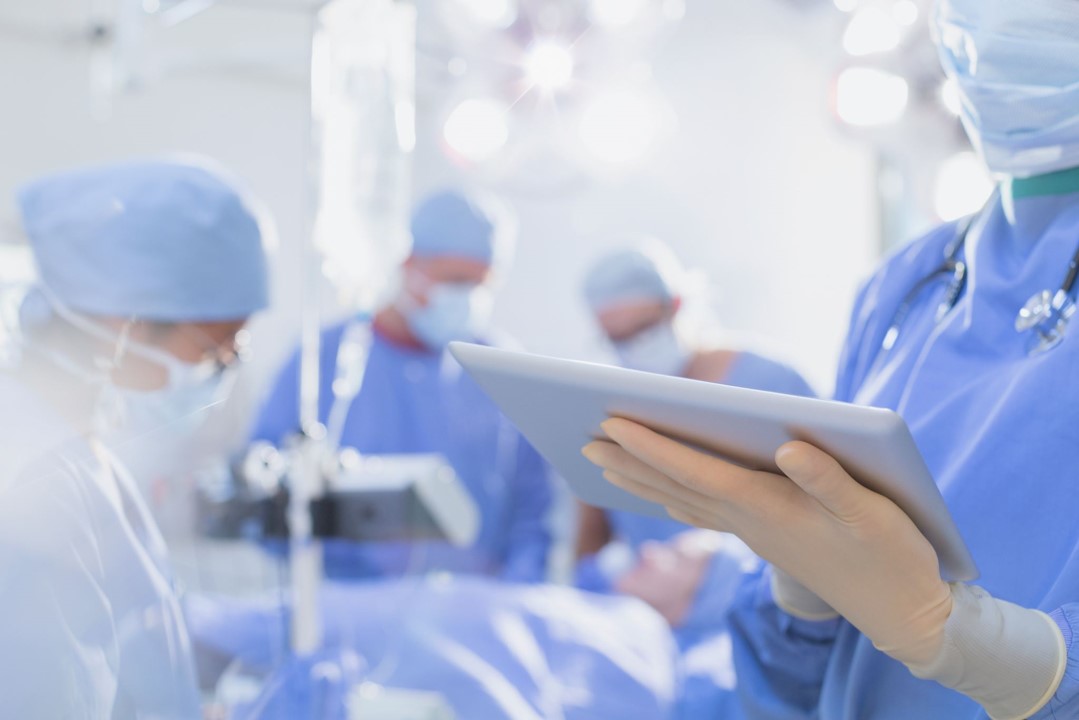
Potential Complications : Like any surgery, there are risks involved. Complications may include infection, bleeding, damage to nearby structures, and changes in speech, swallowing, or appearance. However, complications are not common, and your medical team will talk you through all the risks before anything is done.
Tip : If your speech is impaired and you´re struggling to use Zoom and Microsoft Teams for online meetings, this is because they try to improve the user experience by ignoring what they consider to be background sounds. Both systems have algorithms to “improve” sound quality by cutting out background noise and “electrolarynx” or impaired speech comes into this category.
Patients may find the others in a meeting may only hear part of what they say. Fortunately there is a way of overcoming this problem by going into the sound settings menu and turning off the features that are causing the problems . Look for options to “reduce background noise” or similar descriptors.
Jono, Laryngectomy patient ( 2022-2023) writes:I was diagnosed with stage 3 laryngeal and thyroid cancer on 16th Nov 2022. Scans and biopsies followed on a whirlwind of appointments and tests. So finally, when all the results were in it was the 19th December, but i was told my cancer was stage 4 and rads and chemo would not do the job, and that I would need surgery, a total laryngectomy. On the 9th Jan at 9am I had a total laryngectomy – that is the removal of the whole voicebox. I also had my thyroid and 84 lymph nodes removed. This was followed by 14 days in hospital learning how to manage my new life. being taught how to breath, eat, swallow and talk again.
Once I was home, boy was that scary, with my suction machine and nebulisers. I rested in my newly adapted room with a hospital bed. The nights were very quiet and very lonely. I contemplated stuff a lot. After 3 weeks it was a daily ambulance ride to the Royal Marsden hospital to have 6 weeks of radiotherapy and 2 chemo shots. This part was harder than surgery for me and I did not like it one bit.
Length Of Stay In Hospital
The length of time you will stay in hospital will vary depending on the complexity of the surgery undertaken. You may only be in hospital for a couple of days, or you may be in intensive care for considerably longer. As surgery is being done to your head and neck, you will be attached to drips and drains for up to a week, because it is likely that your mouth and throat will experience considerable swelling. You may have a feeding tube fitted (e.g. a nasogastric tube) that will help you take in needed nutrients and fluids. This will normally be fitted at the same time as your surgery, but may be kept in until the end of your adjuvant chemoradiation therapy, as these can also cause problems with drinking and eating. Surgery can cause problems with breathing, and a tracheostomy tube may also be fitted during tumour removal and reconstructive surgery, but this is normally removed a few days later.

Postoperative Care
◦ Hospital Stay: The length of hospitalisation varies depending on the complexity of the surgery.◦ Pain Management: Pain is managed through medications to ensure comfort during the recovery period.
◦ Nutritional Support: Depending on the type of surgery and potential impact on swallowing, nutritional support may be required from your dietitian and speech and language therapist.
Recovery and Rehabilitation
◦ Follow-up Care: Regular follow-up appointments are essential to monitor recovery and address any concerns.◦ Rehabilitation: Speech therapy, physical therapy, and other forms of rehabilitation may be necessary to regain function, especially if the surgery has affected speech or swallowing.
It’s crucial to discuss the specifics of the surgery, potential risks, and expected outcomes with the surgical team to make informed decisions about the treatment plan. The multidisciplinary approach involving surgeons, oncologists, and other specialists ensures comprehensive care for individuals with head and neck cancer.
How to manage the side-effects of surgery
Pain and DiscomfortPain is a common side effect after surgery, and can last between days and weeks. Pain can be managed with pain medications prescribed by your healthcare team, and always tell your nurse or doctor when you are in pain.
SwellingSwelling in the face and neck area is common after surgery. It usually subsides over time, but the extent of swelling can depend on the type of surgery performed.
Difficulty Swallowing (Dysphagia) • After surgery, some individuals may experience difficulty swallowing. This can be temporary or permanent, depending on the extent of the surgery and where it has been carried out. Swelling from surgery (lymphoedema) may also cause problems◦ Surgery in the mouth may affect your ability to chew and swallow, especially if muscles and nerves that control your lips and tongue have been affected. Chewing may also be affected if you have had teeth taken out
◦ Surgery in the throat will affect the throat stage of swallowing, especially surgery to the voice box or larynx.
◦ Your speech and language therapist will help you decide when you are able to start to have food and liquids again. You might not imagine it, but swallowing is a skill that is quickly lost after surgery, but your speech and language therapist will give you exercises to learn how to swallow again without coughing. Speech Changes and loss of speech
Depending on the location of the cancer and the surgical procedure, there may be changes in speech. This can be temporary or may require rehabilitation to improve speech function. Your speech and language therapist will help you if your speech has been altered through surgery.
Some laryngectomees may be prescribed use of an electrolarynx. An electrolarynx, sometimes referred to as a “throat back”, is a medical device about the size of a small electric razor used to produce clearer speech by those people who have lost their voice box, usually due to cancer of the larynx. The most common device is a handheld, battery-operated device pressed against the skin under the mandible which produces vibrations to allow speech
Changes in AppearanceSurgical procedures may lead to changes in facial appearance. This can include scarring, changes in skin texture, or alterations in the structure of the face and neck. Your medical team will explain possible changes to your appearance before surgery is carried out.
Nerve DamageSurgery may sometimes affect nerves in the head and neck region, leading to sensory or motor deficits, especially in the mouth, face, ears, neck and shoulders. This can impact facial and head movement, sensation, or coordination. You may experience numbness where there has been bruising and / or scarring, and sensation might take months to come back. If nerves have had to come back, then sensation changes may be permanent
LymphoedemaWhen the lymph nodes are removed, lymph fluid (that normally occurs in fatty tissues just under your skin) does not get removed, and so builds up, causing swelling of the head and neck. As well as swelling, the skin can start to feel very tight, and may change in texture, and become red, and even feel hot. The greater the build up of fluid, the greater the chance of infection as well. Swelling will generally go down over time, although you may be offered techniques to help with lymphoedema such as lymphatic drainage massage
Changes in Taste and SmellSurgery can sometimes affect the sense of taste and smell, which may be temporary or permanent.
Dental IssuesDepending on the location and extent of surgery, there may be dental problems, such as difficulty with oral hygiene or changes in jaw function.
ScarringSurgery undertaken will try and minimise the impact and appearance of scarring. But some visibly scarring may be inevitable. Over time scars fade and become less noticeable, although your medical team will provide guidance on how to camouflage scars e.g. cosmetically. Your medical team will explain possible changes to your appearance before surgery is carried out, but support after surgery may also be available to help you adjust to your new look
Emotional and Psychological EffectsCoping with the physical changes, potential functional limitations, and the emotional impact of a cancer diagnosis and treatment can be challenging. Support from your healthcare team, counsellors, and support groups may be beneficial.
It’s important to note that the specific treatment effects can vary widely among individuals, and your medical team will provide personalised information based on your specific case. Rehabilitation, speech therapy, physical therapy, and other supportive measures may be recommended to help manage and improve these effects.
Jono, Laryngectomy patient ( 2022-2023) writes:Once home after all the treatment you kind of lick your wounds. My mental health was suffering badly and I was struggling with my new life. The after effects are still there a year post surgery. My intimacy life with my wife has changed. The whole relationship has changed and now she adds Jons nurse to her CV. We sleep in separate rooms; I am awake half the night clearing my tracheotomy, and I have a single hospital bed.
I have nerve damage from surgery and radiotherapy.I have a suspected crushed vertebrae and slipped disk.I take 3 different types of opioids every 4 hours 24 hours a day for the pain and have done so for a year. I struggle with neuropathy. numb hands and feet also swelling feet. This is from chemotherapy.I have no sense of smell. cut during surgery and I am deaf in one ear from chemo. So daily life is difficult and the maintenance of the stoma is difficult and I live with a lot of pain.
BUT I live. My purpose now is to help others. If I had the chance to talk to every medical personnel and every patient I would say this to them:
To Doctors and other medical personnel “this is your 9 to 5 but it’s our life, be patient with us and give us the time we deserve to talk to you”.
To patients going through cancer treatments. “There is light at the end of the tunnel, it has not been switched off, it is still there. keep going”
Please join our private Facebook Group to get support and advice from fellow patients and carers
Join Facebook GroupGeneral Information
A quick overview of what to expect
>>Radiotherapy/ Chemotherapy
A quick overview of what to expect
>>Surgery
A quick overview of what to expect
>>Immunotherapy
A quick overview of what to expect
>>What To Expect
Diagnosis Treatment
 Post Treatment