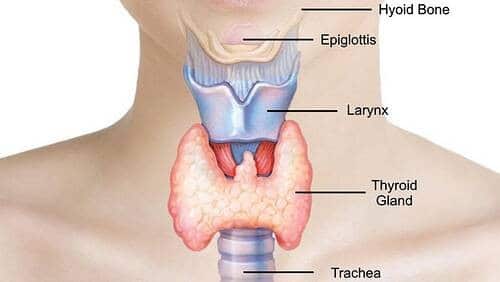
The larynx is commonly called the voice box. This tube-shaped organ in the neck is important for breathing, protecting your windpipe and producing voice. It is located at the top of the windpipe, or trachea.
Primary causes of voice box (laryngeal) cancers are through tobacco use (smoking), heavy alcohol consumption and combined tobacco and alcohol use significantly increases the risks.
Exposure to certain workplace chemicals or asbestos and long-term acid reflux may increase risk of contracting voice box cancer. There is tenuous link with the human papilloma virus (HPV).
Symptoms of Laryngeal Cancer
Symptoms of laryngeal cancer can include: a change in the voice (such as persistent hoarseness), difficulty or pain when swallowing, earache, noisy breathing, shortness of breath, a persistent cough and a lump or swelling in your neck. Some people may also experience bad breath (halitosis), unintentional weight loss, or fatigue (extreme tiredness).
Common Treatment Approaches
The treatment for voice box cancer typically involves a combination of treatment methods, and the exact prognosis depends heavily on the stage at diagnosis. Your consultant will describe your specific treatment and prognosis. The information below is for illustration purposes only;
- Surgery. Often the primary treatment. Dependant on the stage and size of the affected area, laser surgery is often used to accurately removal the tumour. In some case a partial or full laryngectomy may be required. Laryngectomy means the removal of the larynx or voice box. A laryngectomee is a person who has had this essential and life-saving operation – a challenge which thousands of people have met successfully. After the operation the patient breathes through an opening (stoma) in the neck.
- Radiotherapy. Usually 30 to 35 doses are given over 5 days a week for 6-7 weeks. The treatment may be combined with chemotherapy (chemoradiation). Modern techniques like IMRT (Intensity-Modulated Radiation Therapy) help minimize side effects in the future.
- Chemotherapy. Common drugs used include cisplatin, carboplatin, and 5-fluorouracil. Usually combined with radiotherapy and may be given before, during, or after radiotherapy.
Voice Rehabilitation is particularly key following voice box cancer treatment. This could include, speech therapy, voice prosthesis options after total laryngectomy and new communication methods training. Your consultant will evaluate your overall general health at the point of diagnosis looking at the following aspects; the cancer stage at diagnosis, age and lifestyle.
The consultant will have regular check-ups with you for at least 5 years after treatment. Many patients can return to normal activities, though some may experience lasting effects from treatment, such as voice function that requires re-training. See Post Treatment side effects.
Useful Links
Suggested additional sites that may offer helpful information: