Your tonsils are two oval-shaped pads in the back of your mouth that are part of your body’s germ-fighting immune system. Tonsil cancer is a type of head and neck cancer that develops in the tonsils, which are two masses of lymphoid tissue located on either side of the back of the throat (oropharynx). This cancer belongs to the group of oropharyngeal cancers.
This is becoming the most common site of Head and Neck cancers due to the strong link with the human papilloma virus (HPV). It is also affecting younger people (40 to 45 year olds) than previously experienced.
Tobacco use through smoking, chewing tobacco and second hand smoke exposure along with heavy alcohol consumption, especially when combined with tobacco use are also major causes of Tonsil cancer.
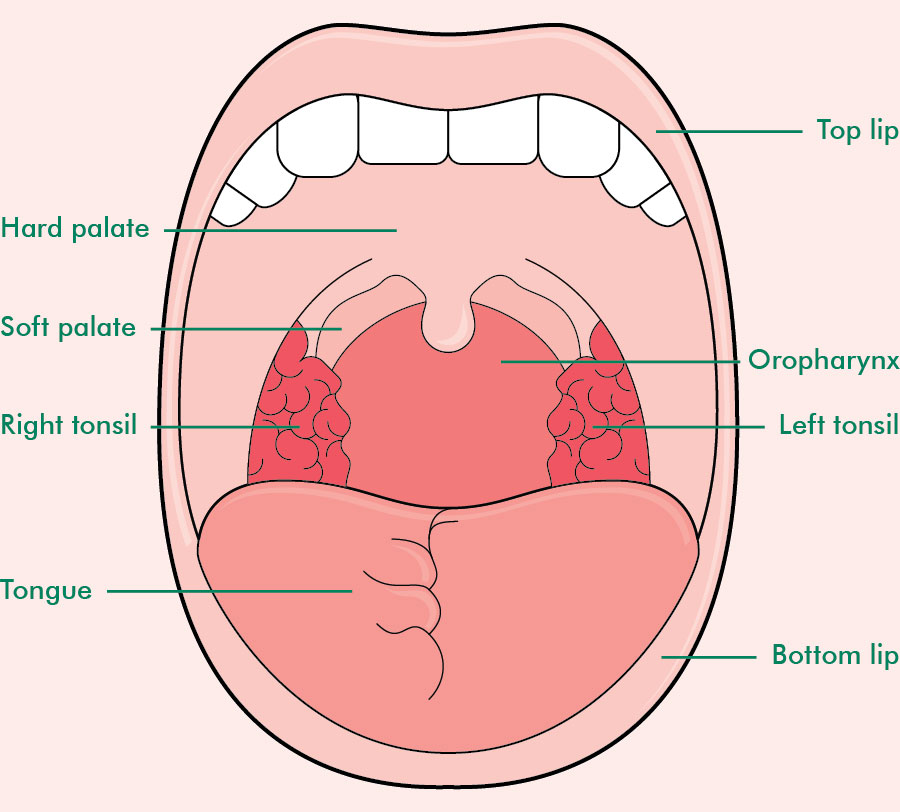
Symptoms of tonsil cancer
The most common symptoms of tonsil cancer include; a lump in the neck (often painless), a persistent sore throat and/or earache and difficulty swallowing. Other signs include;
- Unexplained weight loss
- Blood in saliva
- Change in voice
- Bad breath that doesn’t go away
Common Treatment Approaches
The treatment for tonsil cancer typically involves a combination of treatment methods, and the exact prognosis depends heavily on the stage at diagnosis and whether the cancer is HPV-positive or negative. The biopsy will provide the necessary information on whether the tumour is HPV-positive or negative. Your consultant will describe your specific treatment and prognosis. The information below is for illustration purposes only;
- Radiotherapy. Often the primary treatment, usually 30 to 35 doses are given over 5 days a week for 6-7 weeks. The treatment may be combined with chemotherapy (chemoradiation). Modern techniques like IMRT (Intensity-Modulated Radiation Therapy) help minimize side effects in the future.
- Chemotherapy. Usually combined with radiotherapy and may be given before, during, or after radiotherapy. Often the secondary treatment, usually 3 cycles of chemo are given at the beginning, middle and end of the radiotherapy calendar. Common drugs used include cisplatin, carboplatin, and 5-fluorouracil.
- Surgery. Transoral robotic surgery (TORS) is increasingly commonly used for tonsil cancer treatment and involves removal of the tumour and affected lymph nodes. It is less invasive than traditional open surgery and leads to better preservation of swallowing function. Surgery may be combined with radiotherapy to give a “safety margin” around the tumour site.
The prognosis for HPV-positive tonsil cancer is generally better than HPV-negative tonsil cancer. The 5-year survival rate for HPV-positive tonsil cancer is 80-90% combined with 50-60% for HPV-negative tonsil cancer. The latter is often related to smoking/alcohol use and has a higher risk of recurrence. Your consultant will evaluate your overall general health at the point of diagnosis looking at the following aspects; the cancer stage at diagnosis, age and lifestyle.
The consultant will have regular check-ups with you for at least 5 years after treatment. Many patients can return to normal activities, though some may experience lasting effects from treatment, such as dry mouth or changes in swallowing function. See Post Treatment side effects.
Useful Links
Suggested additional sites that may offer helpful information:
Throat cancer tests and next steps in the NHS
Podcasts
This oral health podcast is dedicated to HPV vaccine podcast. People are not having the HPV vaccine, so what impact is that having on mouth cancer incidence rates?
Life After Throat Cancer@TheThroatBloke discusses his cancer journey, from diagnosis with throat cancer to living after treatment.